

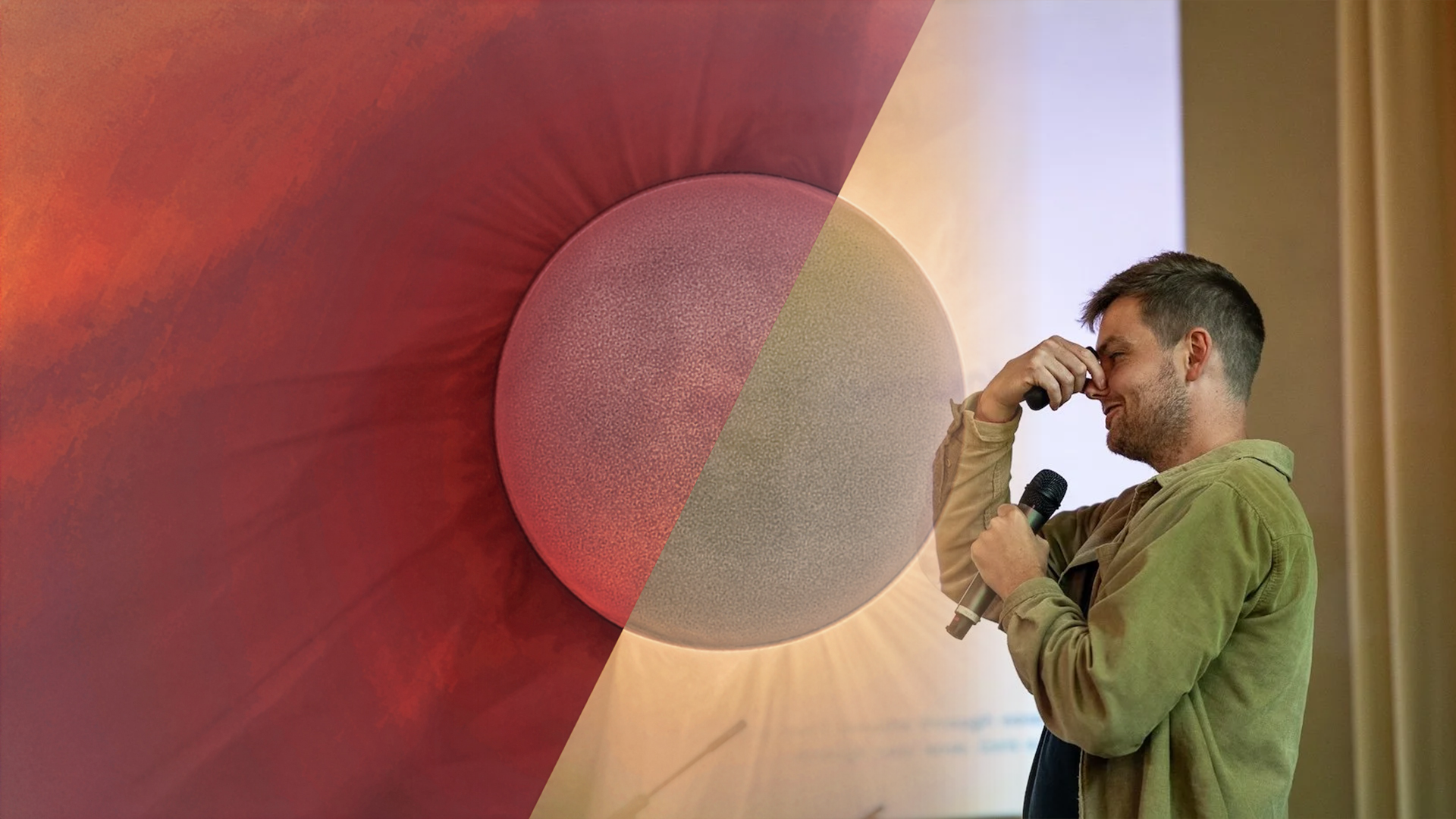
Breathwork & Mechanisms of Action
Resilience. Mental and physical health. Personal growth. Experiences of connection.
Breath is the bridge that connects life with consciousness, the bridge that connects your body with your thoughts. Whenever your mind is scattered, use your breath to reconnect.
– Thich Nhat Hanh
Breathwork – The Breath as a Path
Resilience, mental and physical health, personal growth, and experiences of connection – the positive effects of breathwork have long been recognized. In an era where many individuals seek regulation and direct access to their own bodies, breath is once again taking center stage.
What has been cultivated for millennia in Eastern traditions like Pranayama has, since the 20th century, coalesced in the West under the term Breathwork into an independent field with various disciplines, experiencing a psychedelic renaissance in recent years. Increasingly, studies point to the healing power of substances like psilocybin, LSD, and similar compounds for treating specific psychological conflicts. Others demonstrate that breathwork interventions can induce similarly altered states of consciousness.
This means: Breath methods such as Conscious Connected Breath, Connected Breath, Light Breath, Psychedelic Breath, and Holotropic Breathwork are substance-free and legal alternatives to classical psychedelics for treating conditions like trauma or depression.
Breathwork techniques thus represent a promising avenue for psychotherapy, as their direct somatic access to deeper issues can provide an effective complement to talk-based therapies.
Breathwork refers to structured breathing methods intentionally employed to influence physiological, emotional, and consciousness-related processes. Some stabilize, others mobilize, and still others facilitate intense, altered states of consciousness. With increasing attention, the need for classification and contextualization also grows.
Breathwork is not a singular procedure, but rather a dynamic spectrum of disciplines, methods, and application areas. For this field to develop responsibly, guidance is essential.
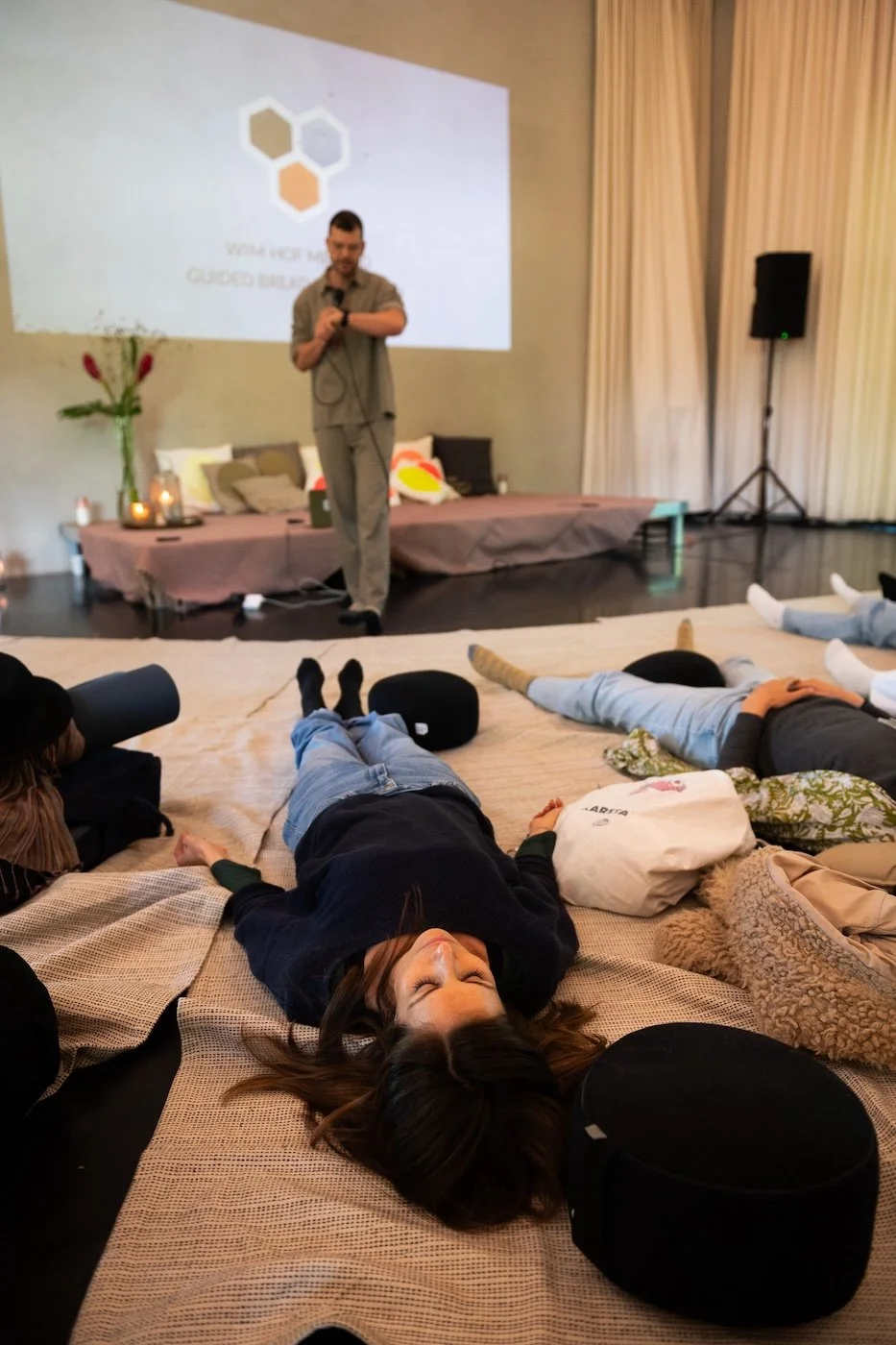
Breath Meets Research
At Humboldt University of Berlin, several research projects are currently dedicated to the fascinating field of breathwork. The central question is what transformative potential breathwork holds for the treatment of mental illnesses such as depression and trauma – and where potential risks lie. In this context, researchers focus not only on various breathing techniques but also on the crucial factors of set and setting.
This complex phenomenon is scientifically examined in three current studies:– The RESET study conducts clinical interventions with traumatized patients.– An international survey collects experiential reports from breathwork practitioners worldwide.– And in the innovative HEART study, psychotherapists without prior experience were able to undergo a guided breath journey – followed by a reflection on how breathwork can be utilized in future therapeutic practice (more here).
Within our Berlin Breathwork Council, a consortium of scientists, psychotherapists, and practitioners, along with defined working groups, addresses emerging topics and develops solutions.
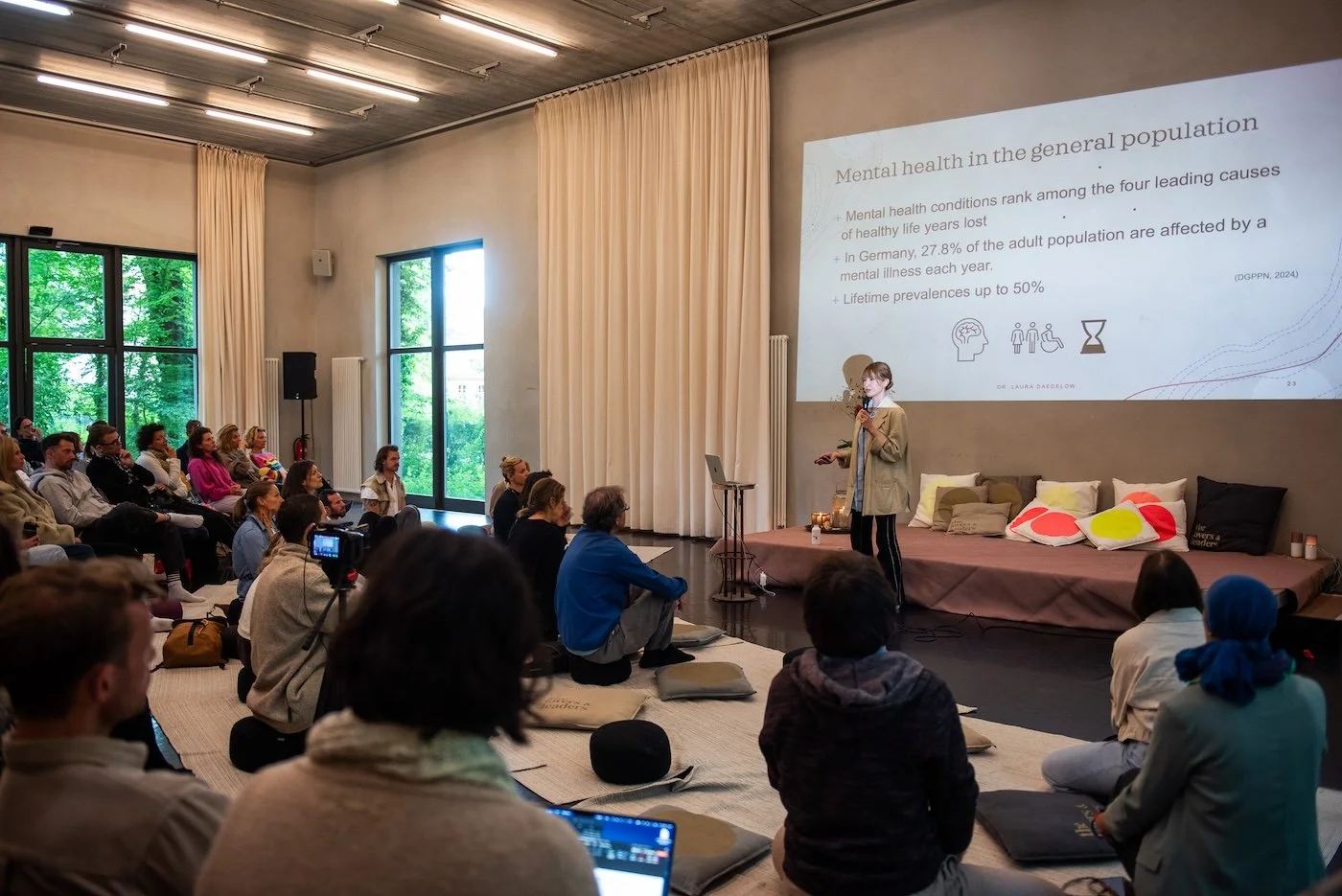
Overview of Our Qualities of Effect
Breathwork unfolds various effects. This differentiation provides orientation within a dynamically evolving field. It helps to articulate effects more clearly, categorize application areas, and enable individuals to take more conscious responsibility for themselves. To describe this diversity more precisely, we therefore distinguish three fundamental qualities of effect:

-
Practices that calm the nervous system, promote coherence, and support sustainable regulation. They strengthen stability, foster recovery, and lay the foundation for resilience.

-
Methods that mobilize energy, initiate emotional processes, and release inner dynamics. They can have a clarifying effect, release blocked tension, and enable new impulses for action.

-
Modalities that facilitate altered states of consciousness and open access to deeper psychological, emotional, or spiritual levels. In these states, shifts in perspective, insights, and transformative experiences can emerge.

Dr. Martha Havenith
„For me, breathwork is primarily a tool for connection. Connection with oneself, with one's own body, with the people around us, with the greater aspects of life, and also for fostering trust in ourselves – in the parts of us that don't constantly think and speak consciously, in the parts of our system that operate differently, allowing us to truly place our trust in them.“

Hans Rutrecht, Berlin Breathwork Days 2024
„As a cerebral person, I believe a significant advantage of breathwork is its controllability. I don't have to engage in it wildly; I can also approach it very subtly and precisely. And I think this very subtlety poses a challenge for many people who are typically seeking a more impactful or intense experience.“

Vidya Ulbricht, Berlin Breathwork Days 2024
„I see an opportunity in that it truly allows one to decipher their own nature and genuinely connect with themselves. The spectrum of experience in breathwork is immense. However, I believe a significant risk is constantly seeking a 'kick' or a 'wow experience.' When one truly understands their own breath, it is profoundly healthy because it fosters deep self-connection.“
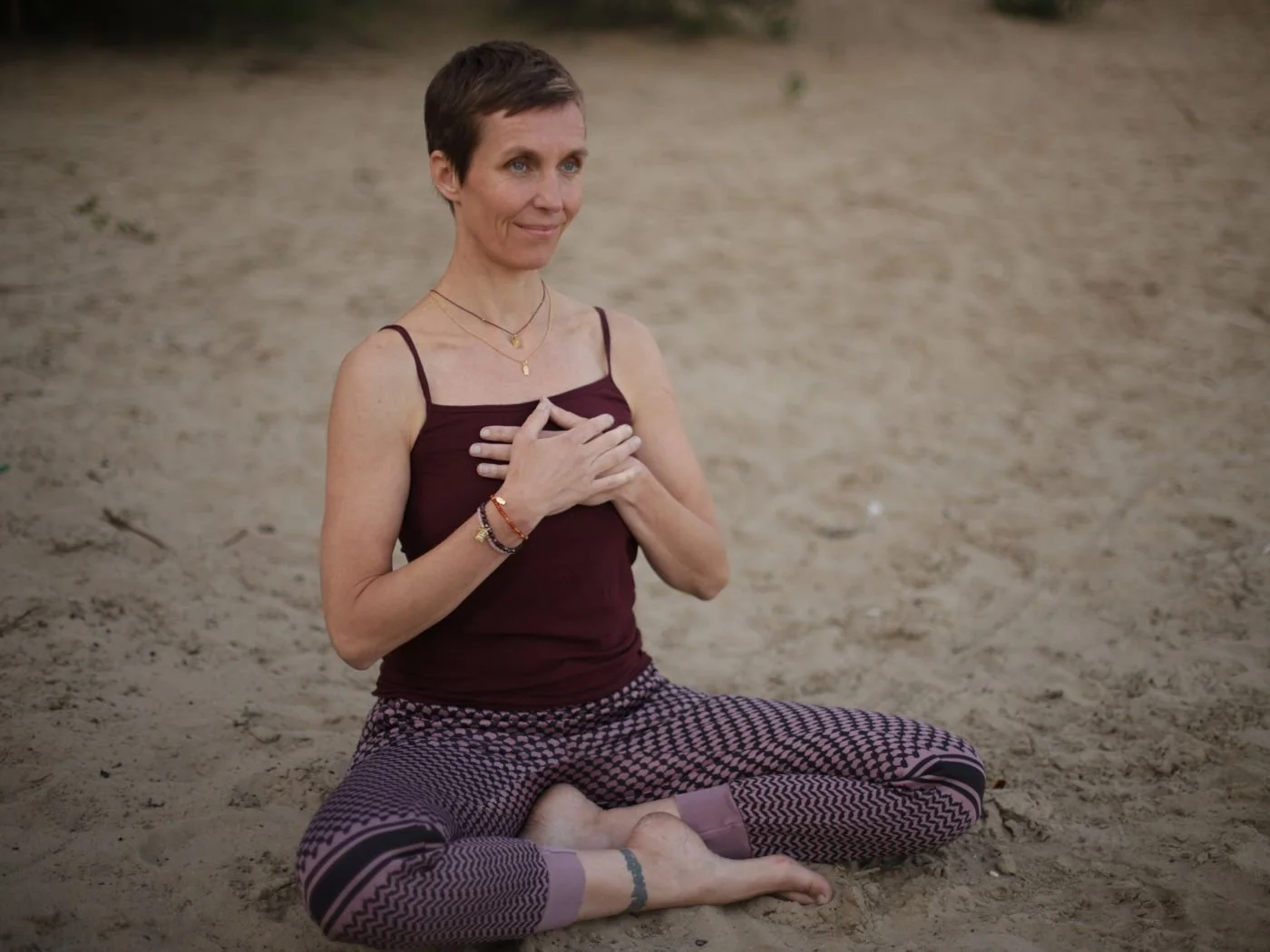
Annette Söhnlein, Berlin Breathwork Days 2024
„Today, we can scientifically demonstrate many aspects of why breathing exercises, the art of breathing, are effective. However, my perspective stems purely from experience, which consistently shows that the body is fundamentally important as a vessel for the breath.“

Eva Kaczor, Berlin Breathwork Days 2024
"Mywish for breathwork is that it will be introduced in places where we use various breathing techniques primarily to regulate the nervous system, but also to help people reach these extraordinary states of consciousness very early on in order to understand who they are."

Prof. Dr. Michael Rapp, Berlin Breathwork Days 2024
„That breathwork, as a whole, possesses a common thread that enables us to significantly transform both individual and structural processes. However, achieving this effectively demands considerable mindfulness. Furthermore, in our fast-paced world, where everything seems to require rapid execution, we constantly risk becoming sidetracked or embroiled in various methodologies, or even methodological conflicts.“
Secure your tickets and join us
Berlin Breathwork Days 2026
May 8 – 10, Berlin