

Berlin Breathwork Council
Committees
The Berlin Breathwork Council addresses current issues regarding the systematization and safe practice of Breathwork (learn more here) and develops projects based on these. Its committees include the Steering Board, Founding Council, Coordination Circle, and other members. Find our committees and members below.
-
The Steering Board is the strategic governing body of the Berlin Breathwork Council. It is responsible for the overarching direction, makes decisions on key issues, and builds sustainable partnerships – in close collaboration with the other committees. It is represented by Prof. Dr. Isabel Dziobek, Yasmine Orth, Dr. Martha Havenith, Prof. Dr. Michael Rapp.
-
The Founding Council brings together the individuals who have been instrumental in developing the Berlin Breathwork Council from its inception. Together, they work on establishing standards, ethical guidelines, and thematic priorities. Participants include: Sukkhadas Ingo Auer, Dr. Barbara Breitenstein, Prof. Dr. Isabel Dziobek, Lena Erdmann, Nina Hartter, Dr. Martha Havenith, Josephine Jörke, Max Leidenberger, Dr. Abdel Nemri, Yasmine Orth, Prof. Dr. Michael Rapp, Till Schröder, and Sascha Zeilinger.
-
The Coordination Circle links the strategic committees with the Working Groups. It coordinates processes, ensures transparency, and supports the working groups in translating ideas into concrete actions. This keeps the Council dynamic – with clarity and a shared rhythm. Its members are Lena Erdmann, Nina Hartter, Josephine Jörke, Prof. Dr. Isabel Dziobek, Yasmine Orth, Prof. Dr. Michael Rapp.
-
The Council thrives on participation: Practitioners, researchers, and interested individuals engage in topic-specific working groups. Anyone wishing to actively contribute can become part of this growing network.
Register here using our form if you wish to participate!
The Team
-
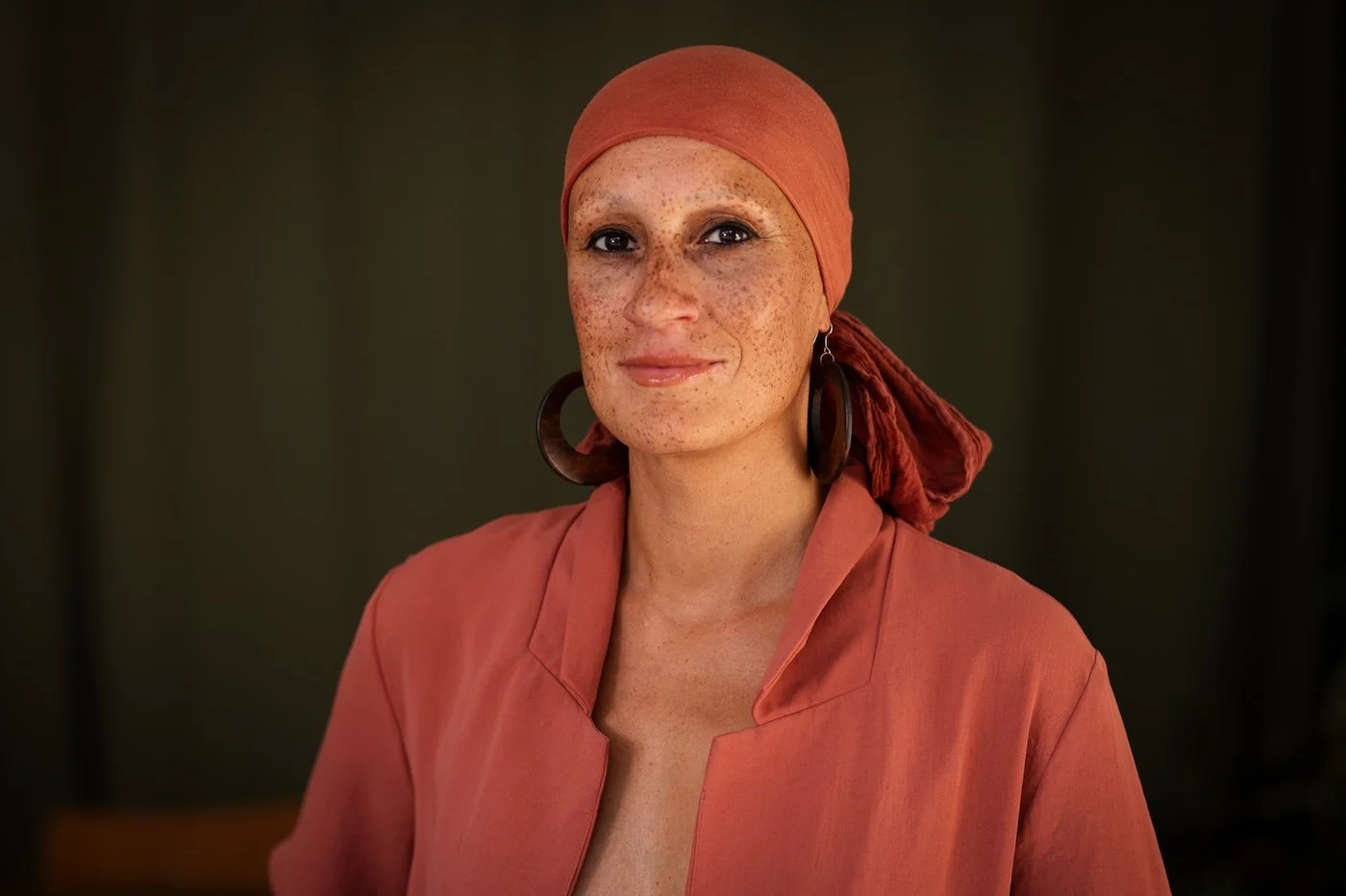
Yasmine Orth
INITIATOR, CONSCIOUS ENTREPRENEUR & EVENT ORGANIZER, BREATHWORK FACILITATOR
Yasmine Orth is the initiator of the Berlin Breathwork Days, founder of the organization and community THE LOVERS & LEADERS, an entrepreneur with two of her own event spaces in Berlin, and has been an entrepreneur and space designer in Berlin for over 20 years.
As a certified Breath Therapist, trauma-informed Conscious Connected Breathwork Coach, extensively trained in energy work and a systemic coach, she combines profound education with many years of experience in designing transformative spaces.
Through her own format METAMORPHYSIS , she guides individuals through deep processes of regulation, healing, and consciousness development.She is also a facilitator for the current RESET study at Humboldt University.
Yasmine understands breathwork as a bridge between individual regeneration & transformation and collective change. In her work, she unites entrepreneurship, community-building, and somatic practice with a clear vision: to build a healthy, sustainable, and consciously led society.
Through her organization “Lovers & Leaders”, she designs formats that integrate inner development, social responsibility, and future-oriented, heart-led leadership.
-
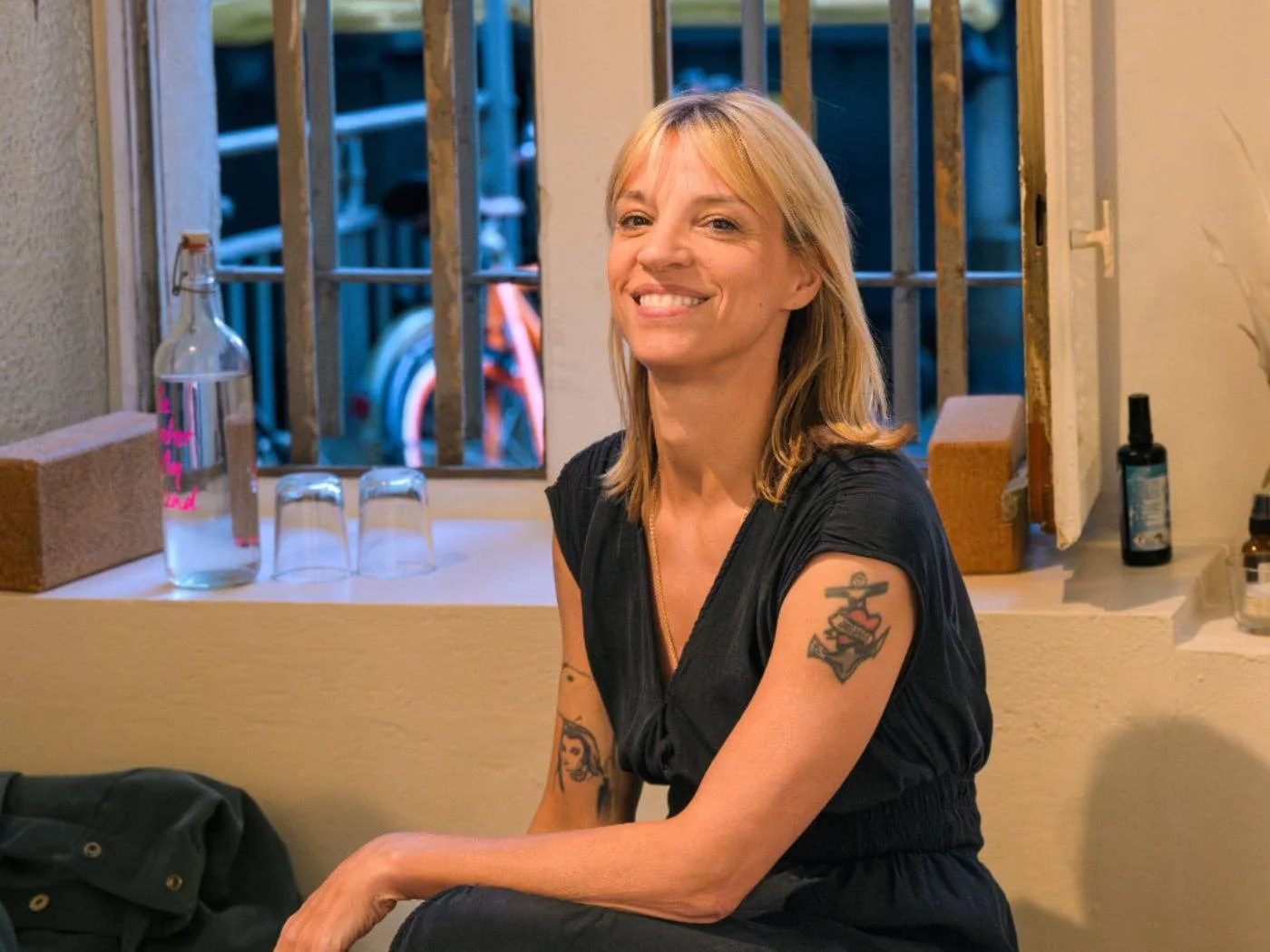
Prof. Dr. Isabel Dziobek
INITIATOR, PROFESSOR OF CLINICAL PSYCHOLOGY, HUMBOLDT UNIVERSITY, HEAD OF UNIVERSITY OUTPATIENT CLINIC FOR PSYCHOTHERAPY
Isabel Dziobek is a Professor of Clinical Psychology and Head of the University Outpatient Clinic for Psychotherapy and Psychodiagnostics at Humboldt University of Berlin.
Her interests and research focus on social-cognitive and affective neurosciences, specifically emotion processing, empathy, and altered states of consciousness in individuals with and without mental disorders (autism, personality disorders, depression). For her research, she utilizes, among other methods, brain imaging techniques (EEG, fMRI), movement/breathing interventions, and technology-based training such as social robotics.
Isabel Dziobek has published over 150 research articles in scientific journals and co-authored several works on the socio-emotional effects of psychedelics and entactogens. She has conducted numerous multicenter, third-party funded studies and has received multiple awards for her work, including the Charlotte and Karl Bühler Prize from the German Psychological Society in 2014.
She received her education and worked at institutions including Ruhr University Bochum, New York University, Max Planck Institute for Human Development, and Freie Universität Berlin, before being appointed to Humboldt University of Berlin in 2014. She is also a cognitive behavioral therapist and a yoga instructor.
-
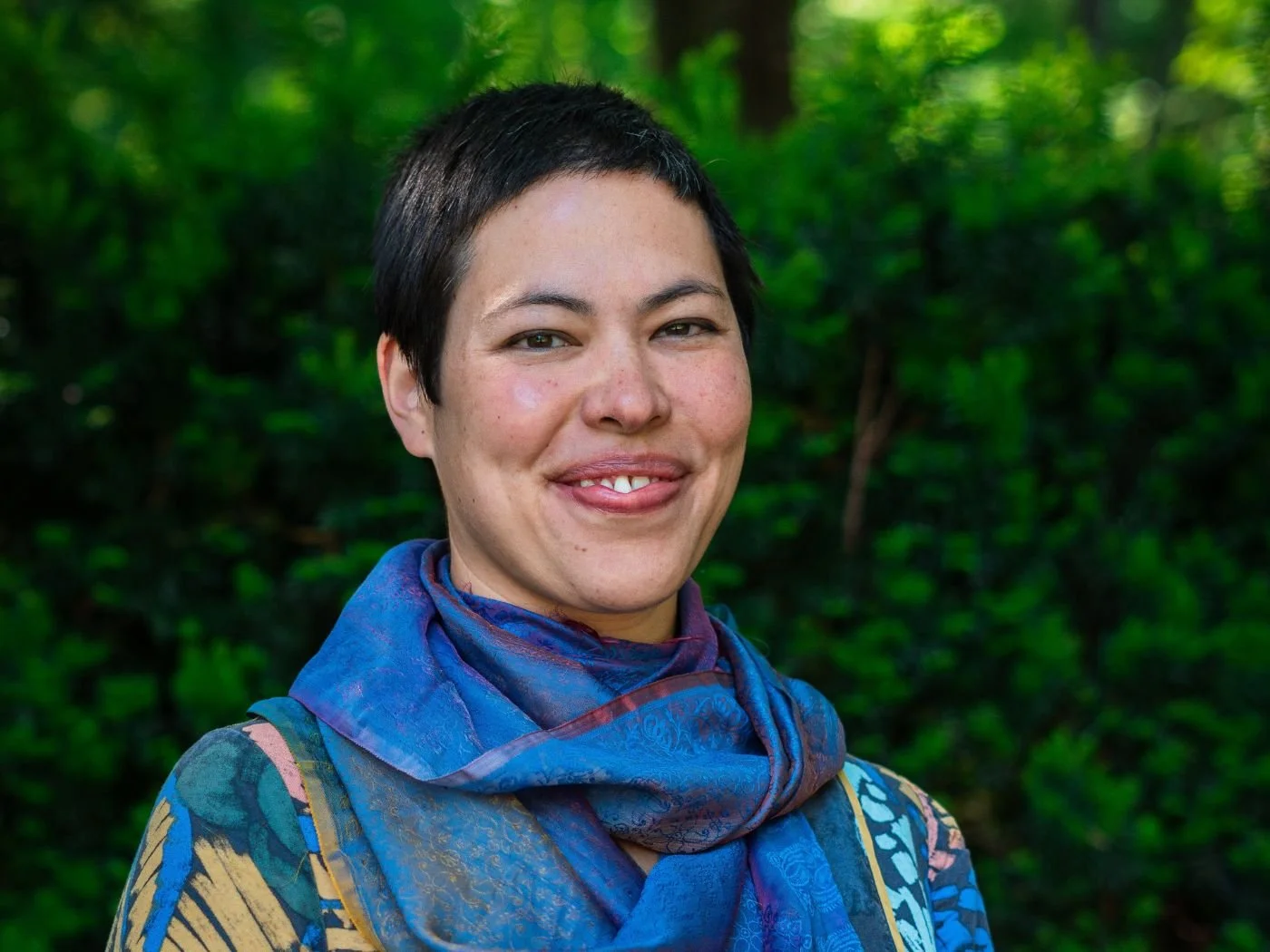
Dr. Martha Havenith
SCIENTIST, AUTHOR, ERNST STRÜNGMANN INSTITUTE FOR NEUROSCIENCE IN COOPERATION WITH MAX PLANCK INSTITUTE
Martha Havenith is a Max Planck Research Group Leader at the Ernst Strüngmann Institute for Neuroscience. There, she uses Virtual Reality to explore the brain's ability to juggle multiple cognitive processes simultaneously. Milestones in Martha's career include a Master's degree at the University of Oxford, a doctorate at the Max Planck Institute for Brain Research, and research stays at University College London and the Donders Institute (Netherlands).
Martha is also a certified facilitator for Conscious-Connected Breathwork. She facilitates breathwork sessions for groups and individuals and offers breathwork training and workshops in the medical field.
-
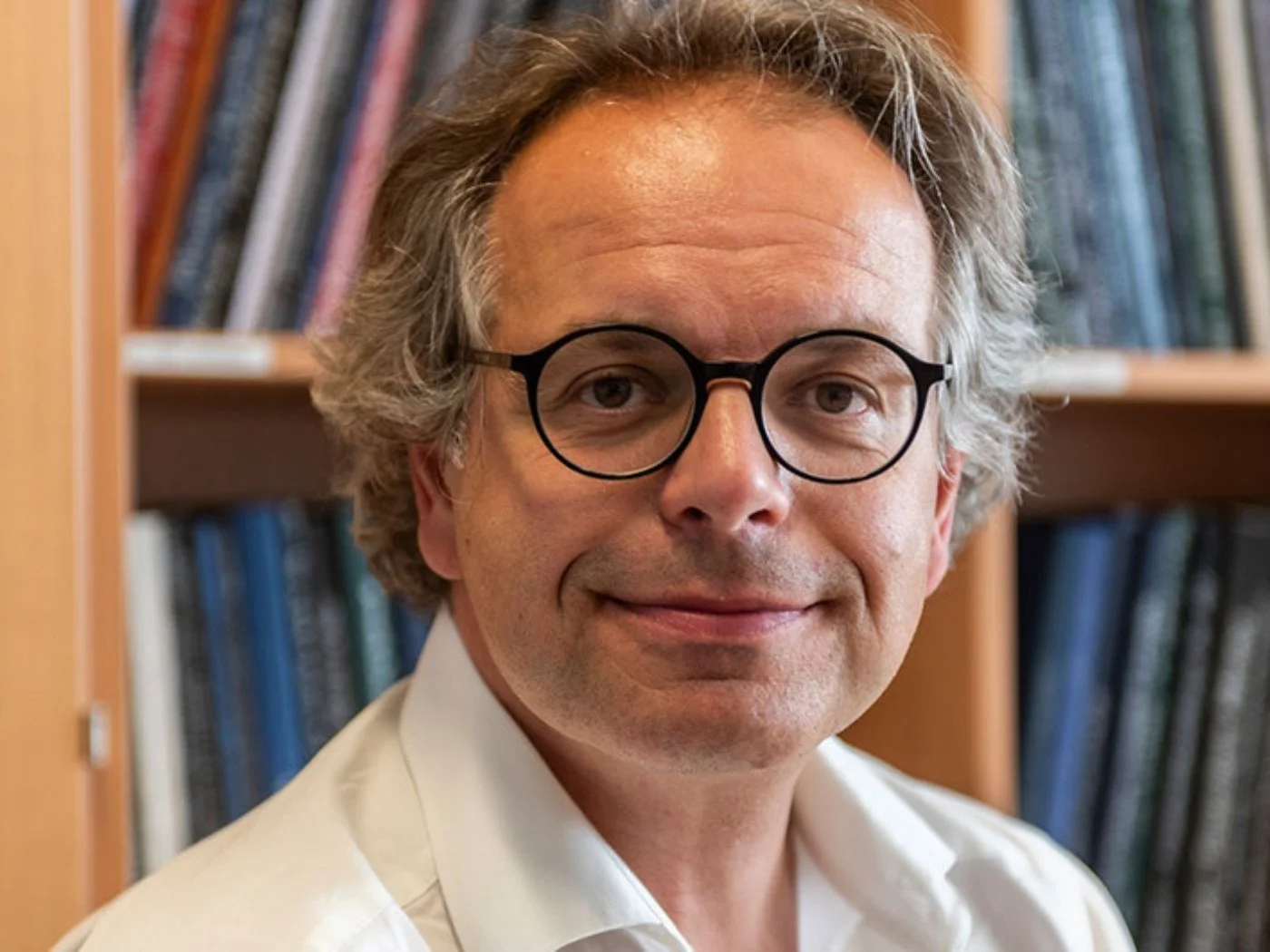
Prof. Dr. Michael Rapp
PROFESSOR OF SOCIAL AND PREVENTIVE MEDICINE AT THE UNIVERSITY OF POTSDAM
Michael A. Rapp is a psychiatrist and psychotherapist. He studied medicine and sociology at the University of Würzburg and Freie Universität Berlin. In 2003, he earned his Dr. phil. in Psychology from the Max Planck Institute for Human Development and Freie Universität Berlin, and in 2006, his Dr. med. from Charité – Universitätsmedizin Berlin. From 2002 to 2006, he worked at the Mount Sinai School of Medicine in New York. In 2010, he completed his habilitation in Psychiatry and Psychotherapy at Charité Berlin. In 2013, he obtained the additional qualification in Clinical Geriatrics and has since been a Professor of Social and Preventive Medicine at the University of Potsdam.
Michael Rapp has gained experience with various breathwork techniques, is a trained facilitator for Holotropic Breathwork, and regularly leads workshops in this method. -
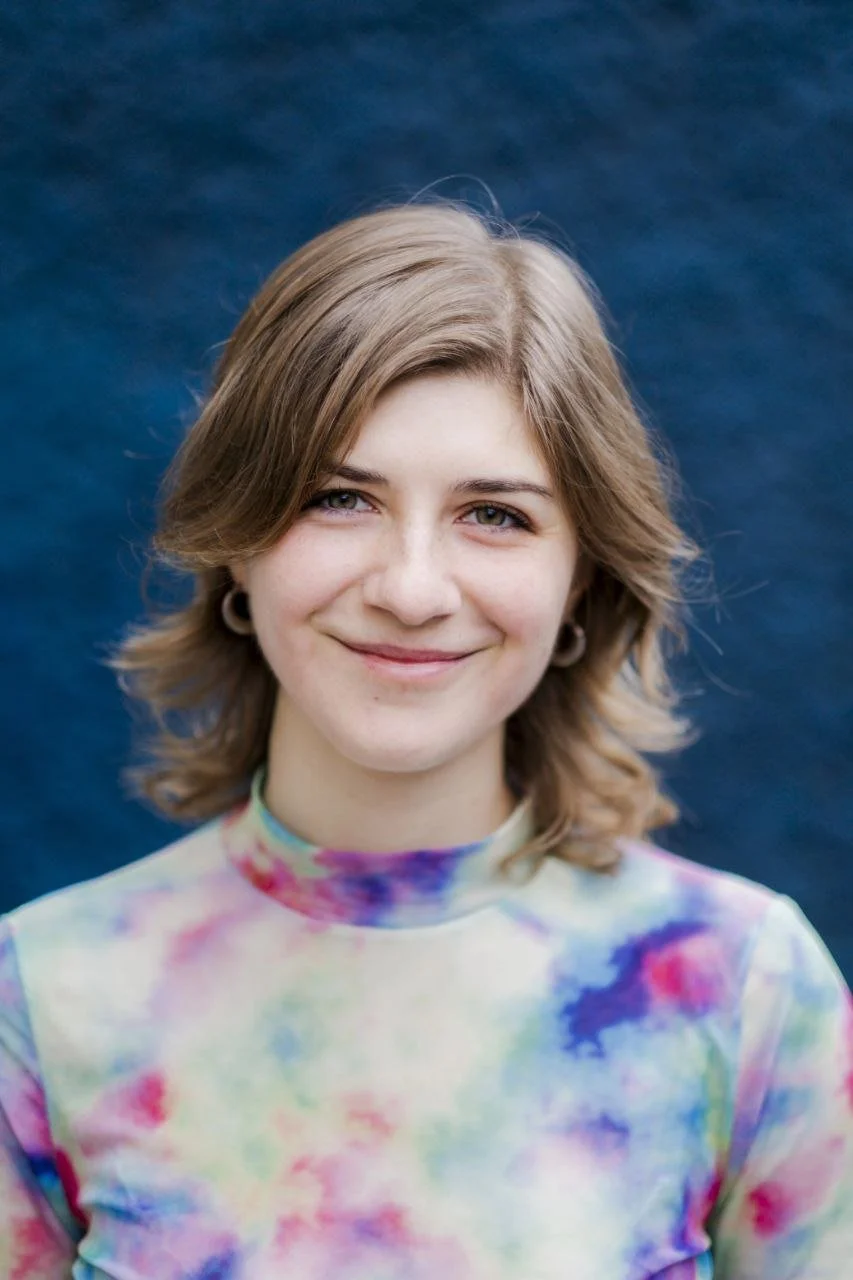
Lena Erdmann
PSYCHOLOGIST (M.Sc), YOGA INSTRUCTOR
Lena Erdmann is a doctoral student at the University of Potsdam, where she investigates the mechanisms of action of breathwork. Her work focuses on why some individuals benefit more from breathwork for their mental health than others. The goal is to better predict the efficacy of breathwork, enhance safety, and enable personalized breathwork approaches. She is also a trained yoga instructor.
Lena Erdmann views breathwork as a crucial tool that can help people improve their well-being and lead more fulfilling lives. However, for breathwork to be applied reliably, safely, and sustainably, she believes it requires scientific research and practical guidelines that provide orientation and promote beneficial application. She considers the Berlin Breathwork Council a particularly suitable platform for interdisciplinary development and conceptualization of the necessary standards. -
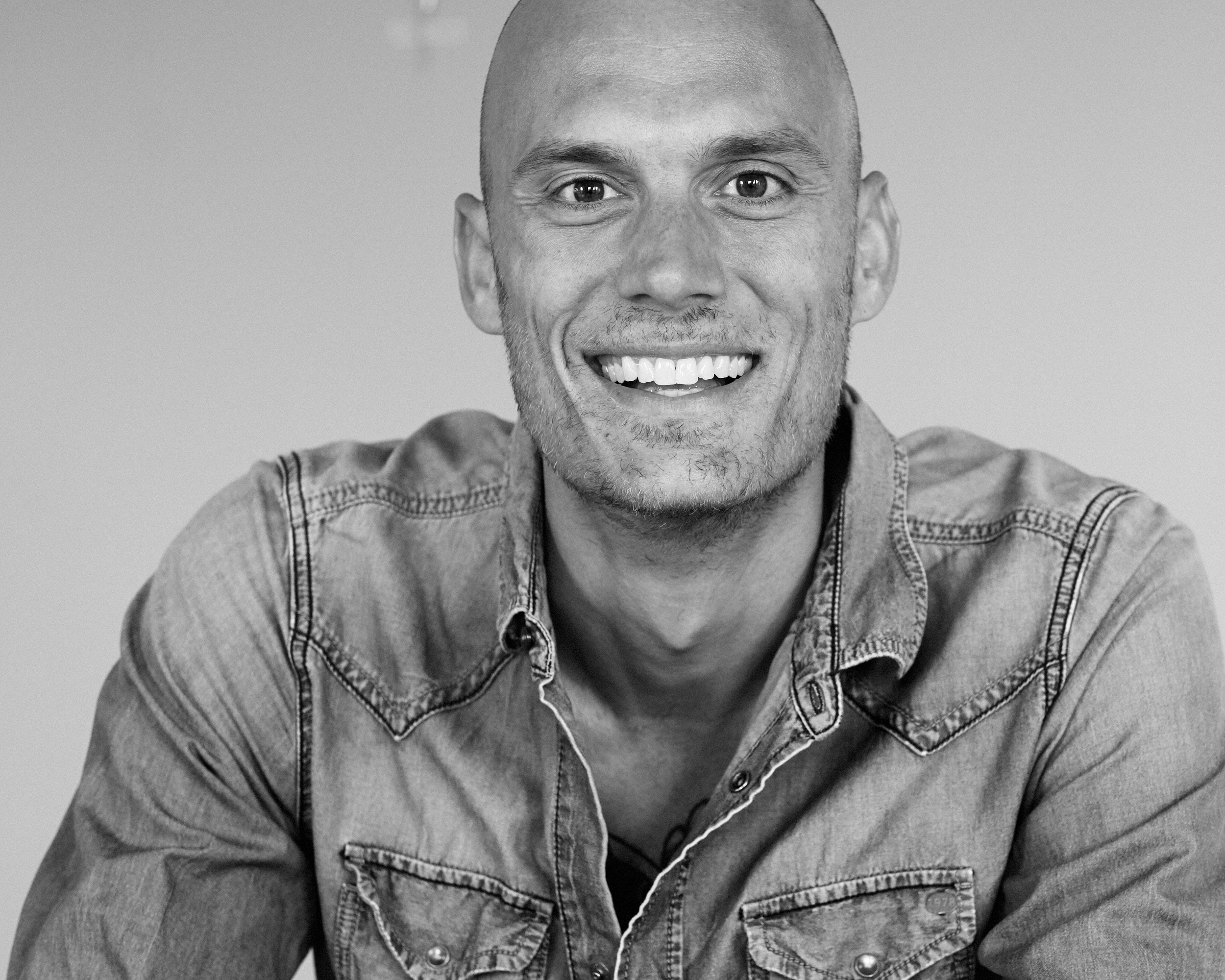
Sascha Zeilinger
BREATH COACH
Sascha Zeilinger supports individuals in reconnecting with their body, breath, and inner clarity. In his work, he combines modern science with experience-based breathing and self-regulation techniques. His focus is on sustainable change rather than short-term effects. He completed his facilitator training with various renowned teachers, including Martha Havenith and Wim Hof.
His mission is to bring breathwork out of its niche and establish it as an integral component of prevention, education, and modern work culture. His vision is to reconnect people with their bodies – as a foundation for clarity, responsibility, and sustainable coexistence.
-
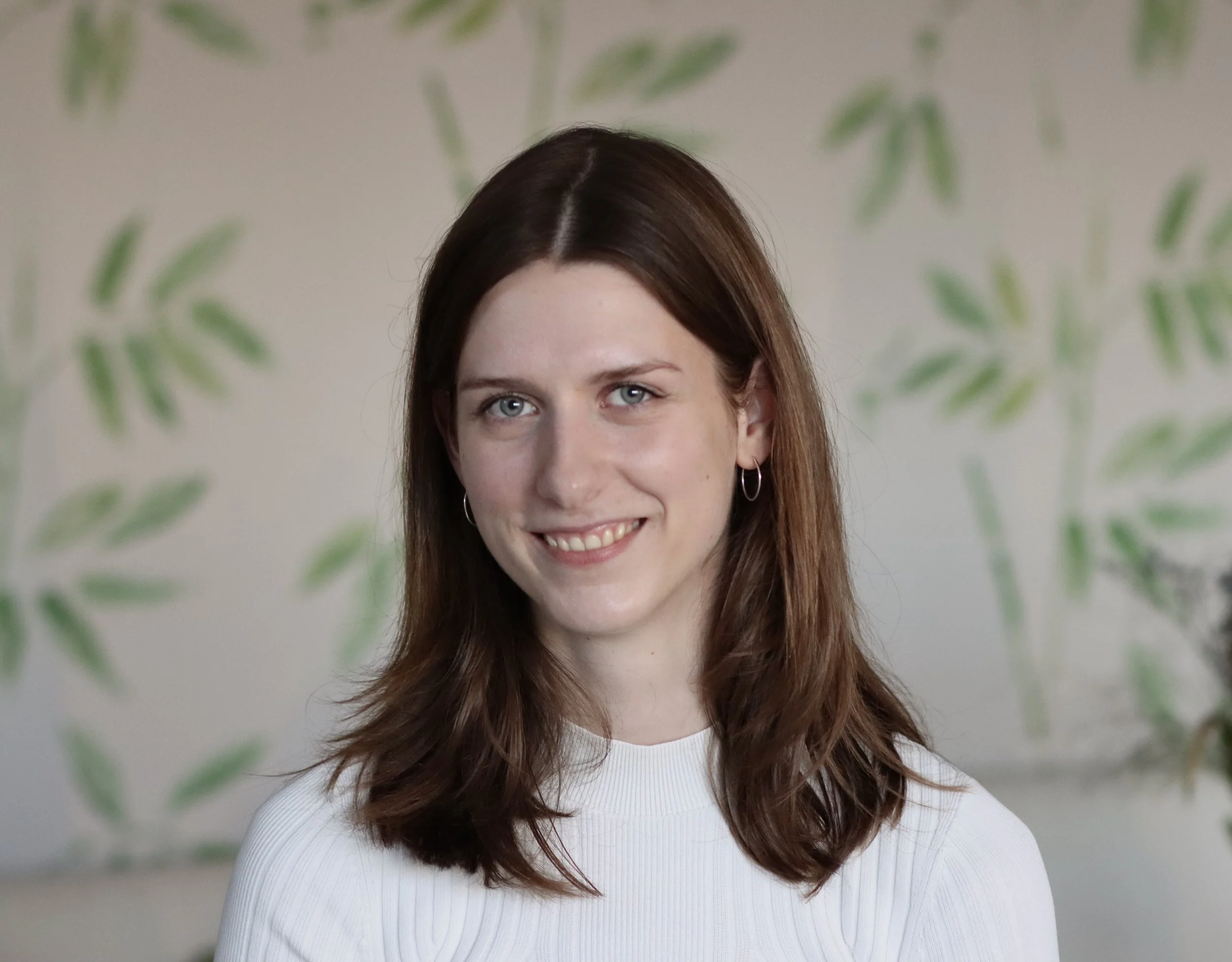
Josephine Jörke
PSYCHOLOGIST, PHD CANDIDATE
... at the Institute of Psychology at Humboldt University of Berlin. Her scientific interest lies in researching the potential of breathwork for psychotherapy. A particular focus of her work is the systematic investigation of breathwork safety for both clinical and non-clinical populations, as well as the identification of potential influencing factors (e.g., set and setting) and their effects. Her goal is to establish evidence-based foundations for the safe and widespread application of breathwork across diverse populations.
Her involvement in the Council is driven by the interest in strengthening the connection between science and practice, thereby contributing to the development of common safety and quality standards for conducting breathwork with clinical and non-clinical populations. She aims to contribute her scientific methodological expertise to the Council's work, supporting the development of evidence-based foundations for shared guidelines and disclaimers.
-
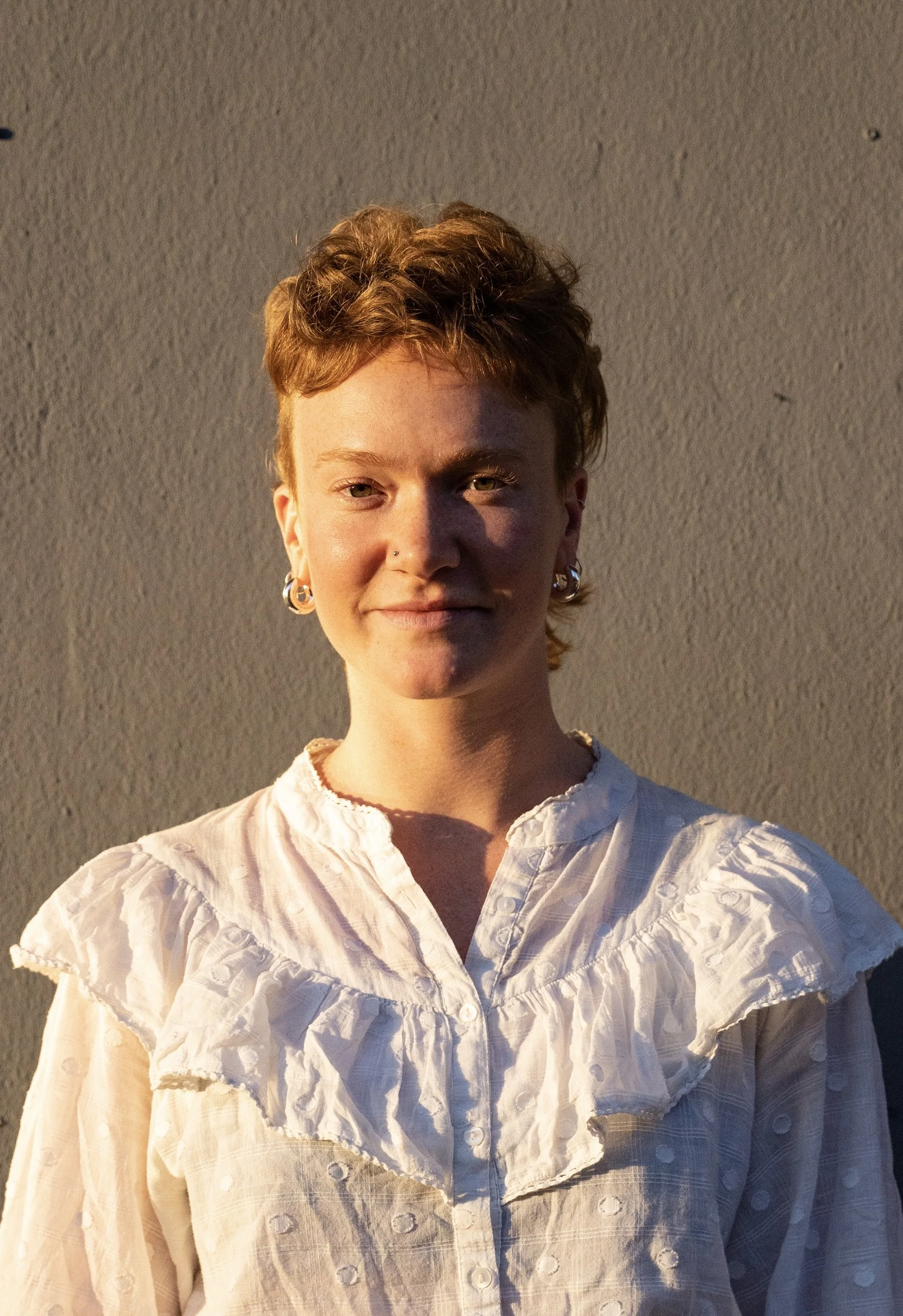
Nina Hartter
PHD CANDIDATE, YOGA INSTRUCTOR
Nina Hartter is a PhD candidate at Humboldt University of Berlin and a yoga instructor. Her simultaneous grounding in both academia and practice often positions her as an intermediary between these two worlds. Her research investigates, among other things, the optimal conditions for a successful breathwork session and how potential risks and side effects can be minimized. Furthermore, she is interested in the extent to which feelings of connectedness among participants can positively influence the breathwork experience.
She is convinced of the crucial role that spaces play in making safe and effective breathwork experiences accessible to a broad audience. The Council can make a significant contribution to the design of these spaces.
-
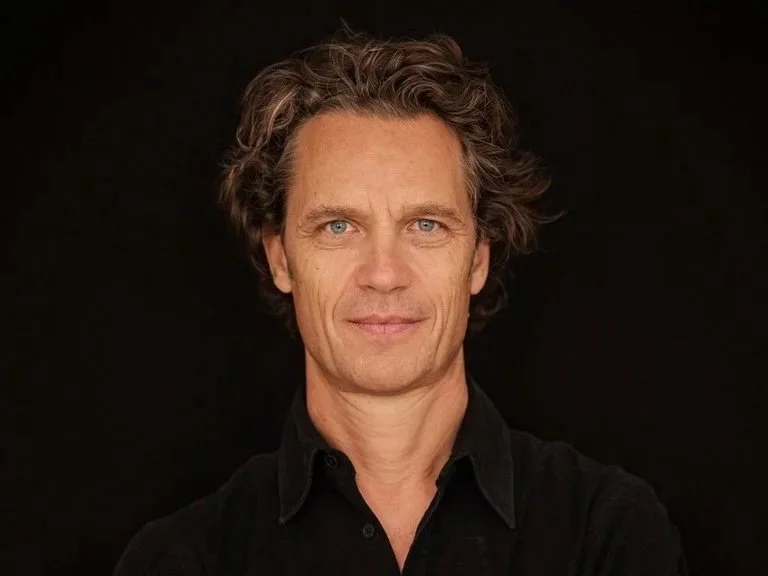
Till Schröder
SENSEMAKER
Till Schröder works as an author, editor, and concept developer for various media and agencies. Since 2010, he has primarily supported the communication of companies, projects, and organizations with editorial content and strategic consulting. Simultaneously, he has been fascinated throughout his life by everything related to mind, movement, and transformation. His background includes: an M.A. in Philosophy and Psychology, among other fields; intensive Zazen practice in the 90s; training as a yoga instructor in 2008; and co-founding and serving as editor-in-chief of the online magazine yogaservice in 2009. To this day, he maintains an intensive practice in meditation, breathwork, and philosophies of personal development. In his role as Sensemaker, he mediates between knowledge, experience, and media narrative. His goal is to translate, contextualize, and thus convey the findings of the Berlin Breathwork Council to a broader audience.The Berlin Breathwork Council, with its interdisciplinary composition, integrates diverse forms of experience and representation. In this format, Till Schröder sees himself at the interface of interdisciplinary exchange, with the opportunity to generate well-founded, engaging representations of the multifaceted topic of breathwork.
-
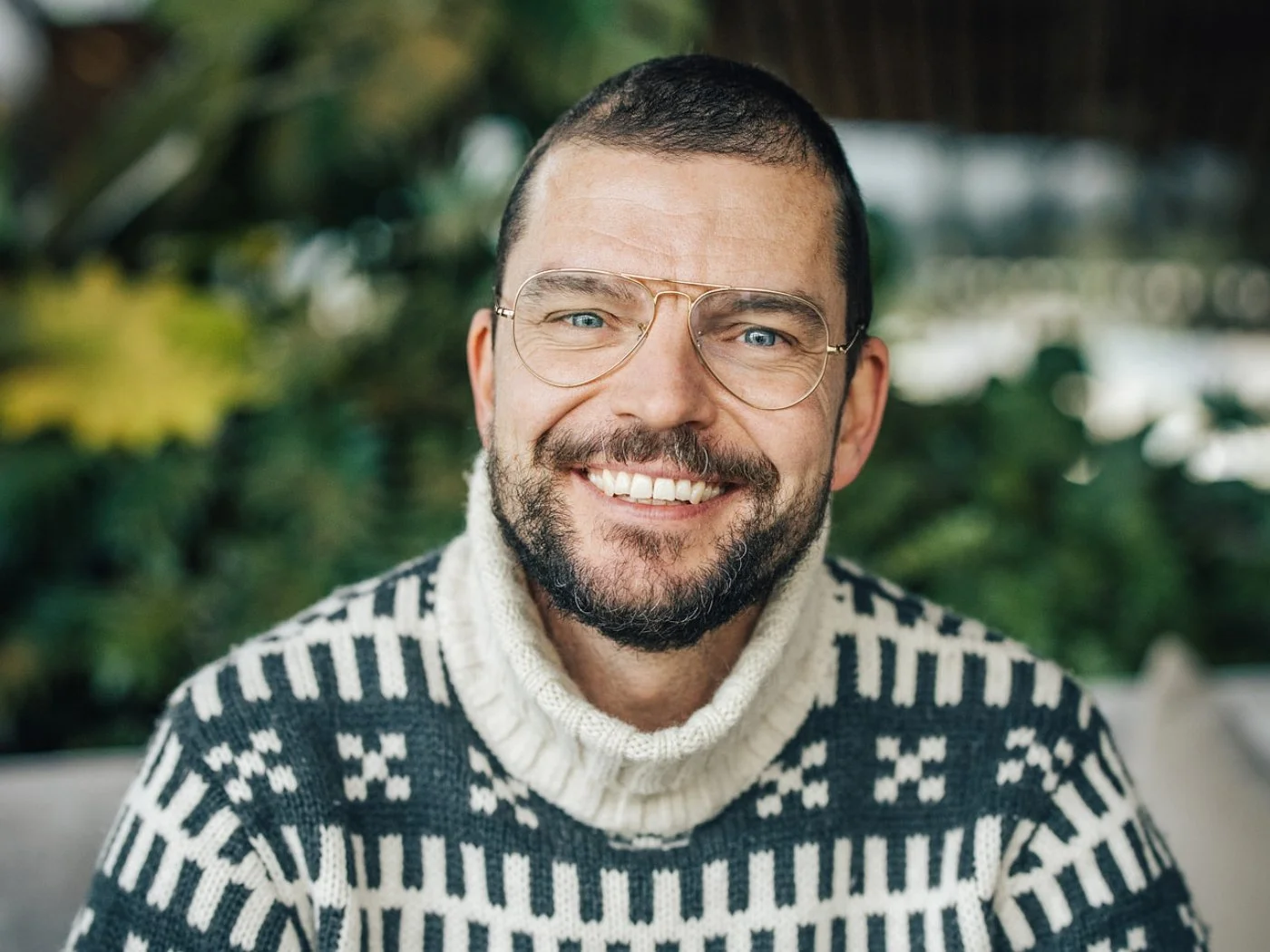
Sukkhadas Ingo Auer
WIM HOF METHOD® INSTRUCTOR, MEDITATION TEACHER
Sukkhadas Ingo Auer is an experienced meditation leader and certified Wim Hof Method® Instructor who has guided individuals on their personal growth journey for over 20 years. Since 2018, he has conducted workshops and seminars in Europe and the USA to help people unlock their full potential and lead fulfilling lives. Additionally, he studied Advaita Vedanta, a philosophical and mystical branch of Hinduism, for 16 years.
In his earlier career as a marketer, Sukkhadas himself experienced burnout. This experience inspired him to support individuals and companies, including top managers and professional athletes, with programs for mental and physical health. In his current project, "7 Ice Summits of the Alps," Sukkhadas ascends the highest peaks of the seven Alpine countries wearing only shorts, without protection from the elements. The goal is to explore the limits of human potential and put the power of the Wim Hof Method® to the test.
-
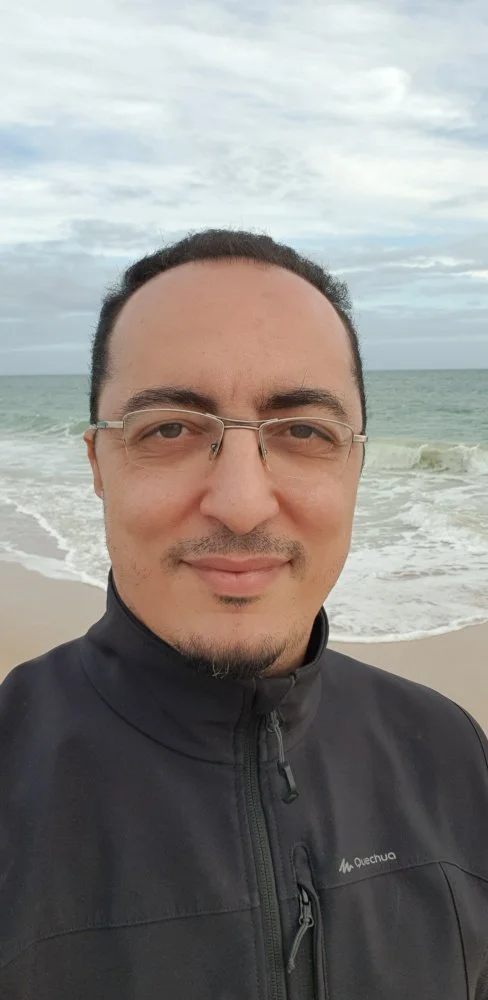
Dr. Abdel Nemri
NEUROSCIENTIST, AUTHOR, CONSCIOUS CONNECTED BREATH TRAINER
Abdel Nemri is a trained facilitator for conscious connected breathwork and a neuroscientist. He holds a B.Sc. in Biology, an M.Sc., and a Ph.D. in Neuroscience, and leads the neurotech startup 3Dneuro BV.
A decade ago, Abdel Nemri encountered breathwork as part of his search for a deeper emotional experience. His aim was to open emotional barriers that prevented him from experiencing life more fully. After years of self-experience, Abdel completed his training as a breathwork therapist in 2019. Since then, he has been leading breathwork sessions for individuals and groups, with a focus on working with masculine energy. Together with his wife Martha Havenith, Abdel Nemri offers tailored workshops and training programs aimed at practitioners with medical and psychotherapeutic backgrounds. His goal is to make experiential forms of healing accessible within the general healthcare system.
-
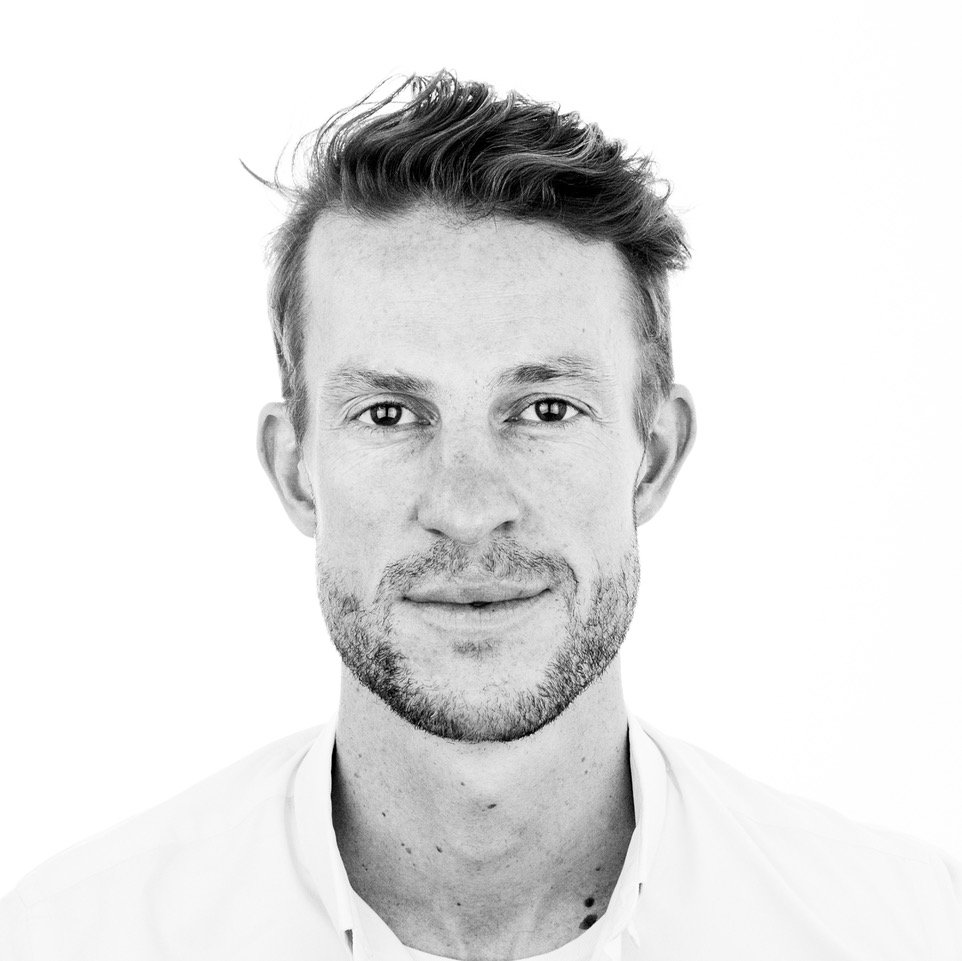
Max Leidenberger
PSYCHOLOGICAL PSYCHOTHERAPIST, ENTREPRENEUR & PIONEERING SPIRIT
Max is a psychological psychotherapist with a psychodynamic foundation and a focus on experiential, body- and breath-based process work. He combines clinical expertise with modern methodologies. His aim is to create spaces for genuine transformation through a professional yet compassionate approach. -
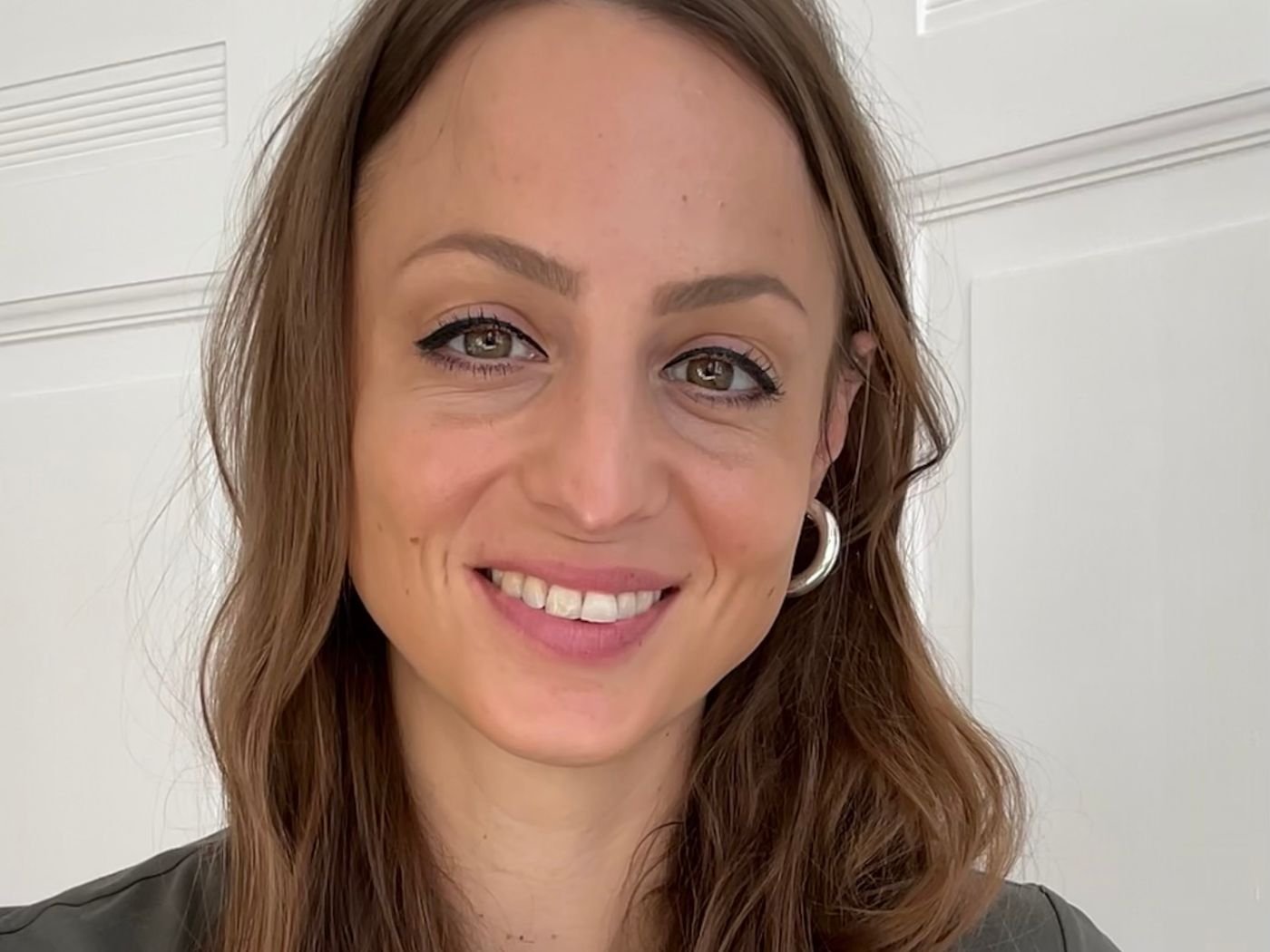
Dr. Barbara Breitenstein
PSYCHOLOGICAL PSYCHOTHERAPIST, SCIENTIST
Barbara Breitenstein works as a lecturer in the field of psychedelics and psychotherapy and as a clinical researcher at Humboldt University of Berlin. She is a licensed psychological psychotherapist specializing in cognitive behavioral therapy and ketamine-augmented psychotherapy. Barbara studied at Humboldt University of Berlin and the University of California San Diego (UCSD). She completed her doctorate at the Max Planck Institute of Psychiatry in Munich. In her scientific work, she focuses on the application of breathwork in subclinical populations. She participated in the clinical trials of esketamine for acute suicidality and explored the personalization of depression treatment through biological markers such as sleep and genetics.
-
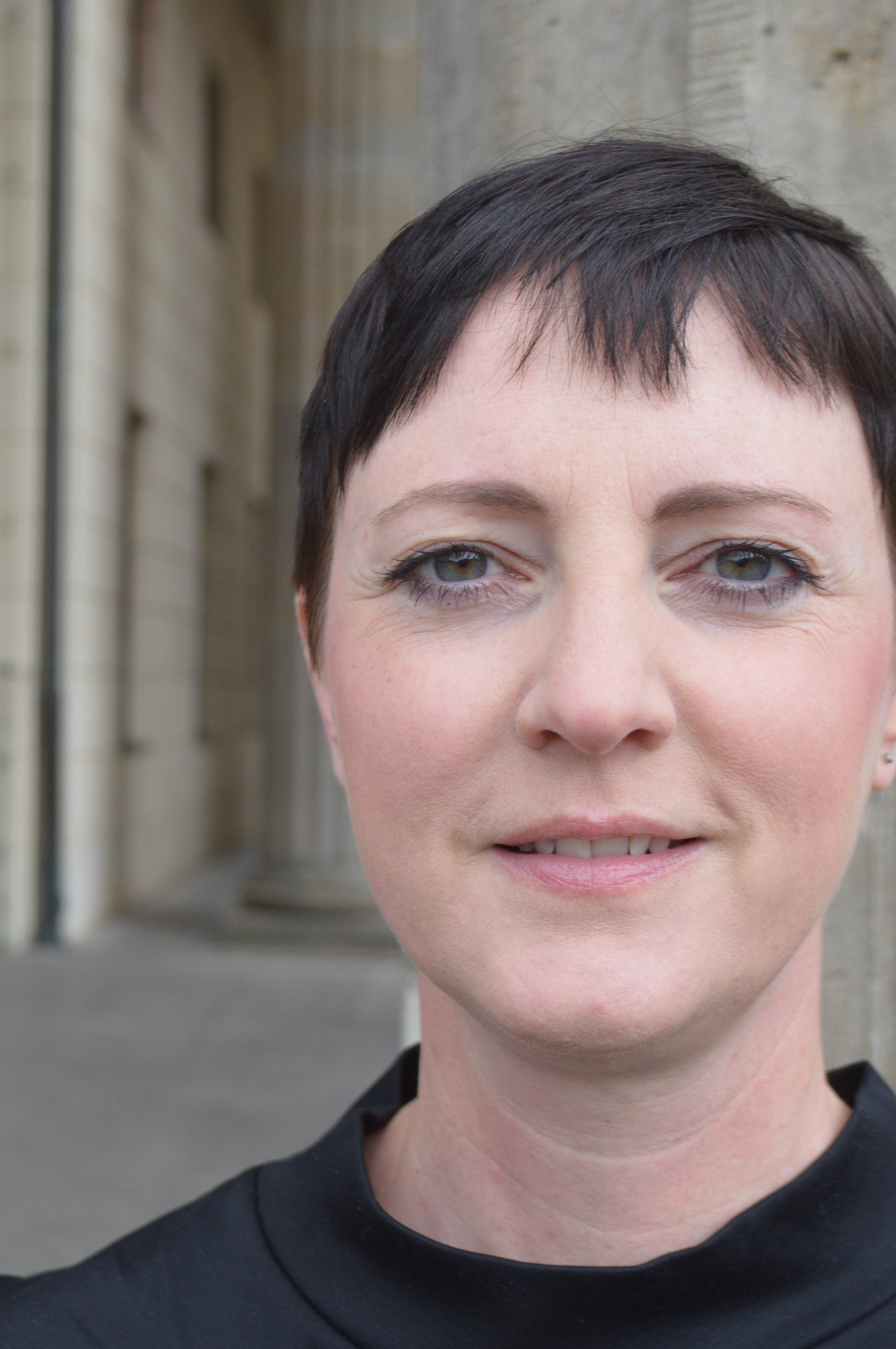
Prof. Dr. Ulrike Lücken
PSYCHOLOGIST AND PSYCHOLOGICAL PSYCHOTHERAPIST, PROFESSOR OF PSYCHOTHERAPY AT HUMBOLDT UNIVERSITY OF BERLIN
Ulrike Lücken is a psychologist and psychological psychotherapist. She works as a Professor of Psychotherapy at Humboldt University of Berlin, where she heads the specialized outpatient clinic for anxiety disorders. After studying psychology at the University of Freiburg and completing a Master's in Affective Neuroscience at Maastricht University, she completed her habilitation at Dresden University of Technology. In 2015, she was appointed Professor of Psychotherapy Research at Würzburg University Hospital, and in 2018, she moved to Humboldt University of Berlin. Her research is situated at the intersection of neuroscience, machine learning, and psychotherapy, addressing the following key questions: What happens in our brain when we experience anxiety? How does psychotherapy change the brain? Can we improve psychotherapy by deciphering brain mechanisms? Ulrike Lücken was a long-standing cooperation partner in the BMBF Research Network on Mental Illnesses and served as Principal Investigator for two Collaborative Research Centers. Currently, she serves as the spokesperson for a research group on Personalized Psychotherapy (DFG FOR 5187) and as a Principal Investigator at the German Center for Mental Health (DZPG). Professionally, she has been involved with the German Psychological Society (DGPs) and spearheaded the initiation of the revised psychotherapist training program at Humboldt University of Berlin. Together with Isabel Dziobek, Ulrike Lücken explores the potential of altered states of consciousness and breathwork to augment cognitive-behavioral therapy, focusing on understanding the underlying mechanisms of action.
-
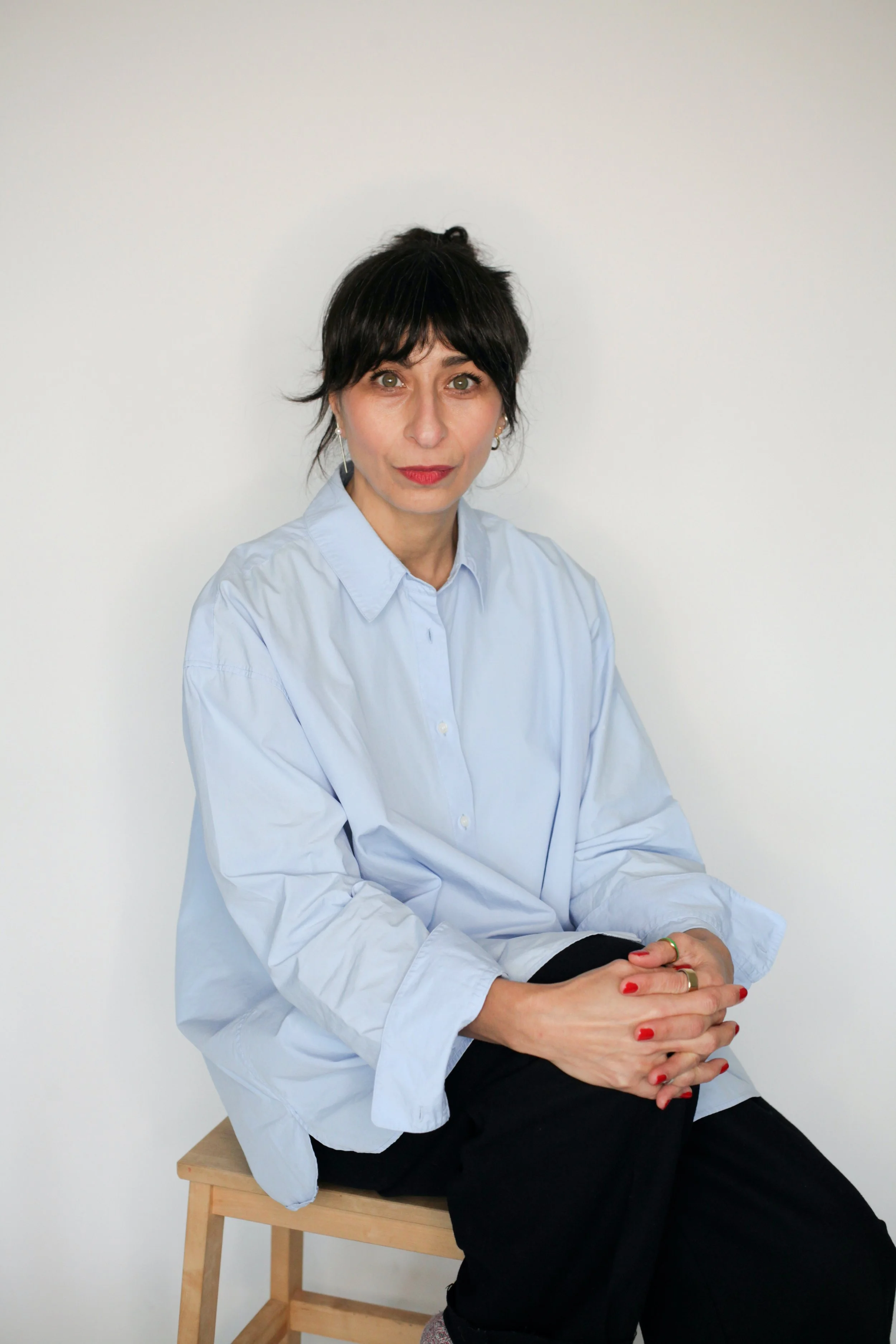
Mosch Khanedani
PSYCHOLOGICAL HEALTH CONSULTANT, SYSTEMIC COACH, FUNCTIONAL BREATHWORK TRAINER
Mosch Khanedani is a psychological health consultant and systemic coach. In her work, she guides individuals and organizations on matters of psychological safety and healthy performance. As a Functional Breathwork Trainer, she integrates functional breathing methods into her consulting and coaching practice. After more than twenty years in international cultural management, her professional focus shifted from designing cultural projects to fostering healthy internal and organizational processes.
For her, breathwork is a practice of reconnection: to one's own perception, to inner order, and to more conscious coexistence.
In the Berlin Breathwork Council, she contributes her perspective from health consulting and cultural work. Her aim is to develop breathwork responsibly, with nuance, and in a dialogue-oriented manner, particularly concerning prevention, professional contexts, and societal relevance.